
Blog
Our blog shares expert insights and practical guidance to help you understand home renovation costs Melbourne homeowners may face and how to plan a renovation with confidence. We cover key cost drivers (scope, structural changes, kitchens/bathrooms, and finish levels), budgeting and contingency tips, permits and timelines, and builder best practices to reduce variations and maximise long-term value. We also outline our service area across Melbourne and surrounding suburbs within a 50‑kilometre radius of the CBD.
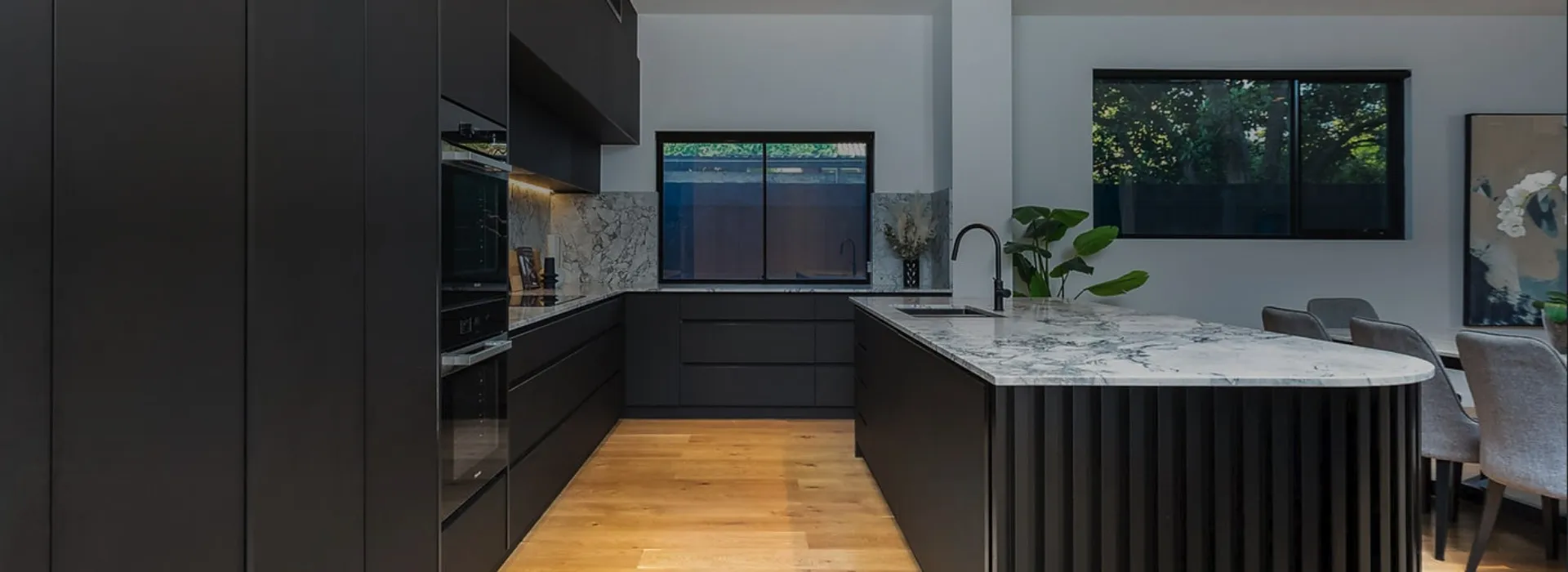
Planning a home renovation costs Melbourne homeowners can expect in 2026 starts with a clear scope, realistic allowances, and the right builder. In this guide, we’ll break down what drives renovation pricing, how to budget properly, and the checklist you can follow to avoid blowouts and add value.
For permit and building compliance guidance in Victoria, refer to the Victorian Building Authority (VBA) before starting structural renovation work.
Home Renovation Costs Melbourne: What Impacts Your Budget?
Renovation costs vary depending on the size of your home, the quality of finishes, and whether the work is cosmetic or structural.
Here are the biggest factors that affect renovation pricing:
- Scope of works (one room vs full home)
- Structural changes (removing walls, re-stumping, steel beams, etc.)
- Wet areas (kitchens/bathrooms are higher-cost per m²)
- Material selections (tiles, cabinetry, benchtops, tapware)
- Access and site conditions (tight blocks, older homes, surprises after demo)
Tip: Always include a contingency in your budget:
- 10% for smaller, straightforward renovations
- 15–20% for older homes or any structural work
When estimating home renovation costs Melbourne projects, the biggest variables are structural changes, wet areas (kitchens/bathrooms), and the finish level you choose.

1) Plan First to Control the Cost of Home Renovation in Melbourne (Goals First, Design Second)
The most cost-effective renovations start with clarity. Ask yourself:
- What problem are we solving? (space, layout, storage, comfort)
- Is this renovation mainly for lifestyle, resale, or both?
- What are our 3 “must-haves” and what can we compromise on?
A simple written plan helps prevent expensive changes mid-project.

2) Layout & Function First: Reduce Home Renovation Pricing in Melbourne Before Choosing Finishes
Beautiful finishes won’t feel right if the home doesn’t function well. Before choosing colours and tiles, get the fundamentals right:
- Better flow between kitchen, dining, and living
- More storage (pantry, linen, laundry, built-ins)
- Better lighting (natural + task lighting)
- Practical power points and appliance positioning
If your home feels cramped or awkward now, a renovation is the best time to correct it—especially before cabinetry and flooring go in.

3) Kitchen & Bathroom Renovations: Big Drivers of House Renovation Costs in Melbourne
Kitchens and bathrooms often deliver the best return because they impact daily comfort and buyer perception. They’re also where costs can rise quickly.
To keep it controlled:
- Confirm the layout early (moving plumbing adds cost)
- Choose durable, mid-to-high value materials
- Don’t cut corners on hidden essentials like waterproofing and prep
Pro tip: A well-built bathroom with correct waterproofing is worth far more than a “cheap” renovation that fails in 2–3 years.

4) Permits & Compliance: How Approvals Can Affect Melbourne Home Renovation Costs
Depending on what you’re changing, you may need approvals such as:
- Building permits (common for structural changes)
- Planning permits (extensions, overlays, certain neighbourhood rules)
- Engineering documentation (beams, load-bearing changes)
- Licensed plumbing and electrical compliance
A renovation builder should guide you through what’s required, but you’ll get the best timeline if you factor approvals into your plan early.
5) Renovation Timeline & Budget: How Delays Influence Renovation Costs in Melbourne
As a general guide:
- Bathroom renovation: 2–4 weeks
- Kitchen renovation: 4–8 weeks
- Full internal renovation: 8–16+ weeks
- Extension projects: 12–24+ weeks (plus approvals)
The more selections you lock in early (tiles, tapware, cabinetry, appliances), the fewer delays you’ll face due to stock lead times and backorders.
6) Choosing a Builder: Get Accurate Home Renovation Cost Estimates in Melbourne
Don’t choose based on price alone—choose based on clarity, communication, and capability.
A strong builder quote should clearly show:
- Inclusions/exclusions (what is and isn’t covered)
- Allowances (prime cost items)
- Estimated timeline and stages
- Who manages the site and trades day-to-day
- Warranty, permits, and compliance responsibilities
Tip: If a quote looks too good to be true, it often is—missing items can turn into costly variations later.
7) Avoid Variations: Keep Your Home Renovation Budget in Melbourne on Track
Variations happen when scope isn’t defined or selections are delayed.
To minimise blowouts:
- Finalise your layout and scope before work begins
- Confirm what’s included (demo, disposal, painting, waterproofing, etc.)
- Choose key fixtures and finishes early
- Get variation pricing in writing before approving
A renovation runs best when decisions are made before the site starts, not during.
8) Home Renovation Cost Breakdown Melbourne Checklist (Use This Before You Start)
- Define your goals and top priorities
- Set a budget + 10–20% contingency
- Confirm design/layout and structural changes
- Check which permits/approvals apply
- Request a detailed quote with clear inclusions
- Select fixtures early (tiles, tapware, appliances, cabinetry)
- Confirm timeline and site supervision
- Plan for living arrangements during works
- Keep a written record of decisions and approvals
Not Sure If We Cover Your Suburb?
We proudly serve all locations within 50km of Melbourne CBD, including:
- Melbourne
- Geelong
- Heidelberg
- Nunawading
- Brunswick
If your suburb isn’t listed, 📞 Contact Romani Construction — we may already be working nearby!
Ready to Renovate? Get a Clear Plan and Quote
If you’re planning a home renovation in Melbourne and want practical advice on scope, costs, approvals, and timelines, speak with Romani Construction for a consultation. We’ll help you plan confidently, avoid costly surprises, and achieve a finish built to last.
Call now or request a free consultation through our website.